
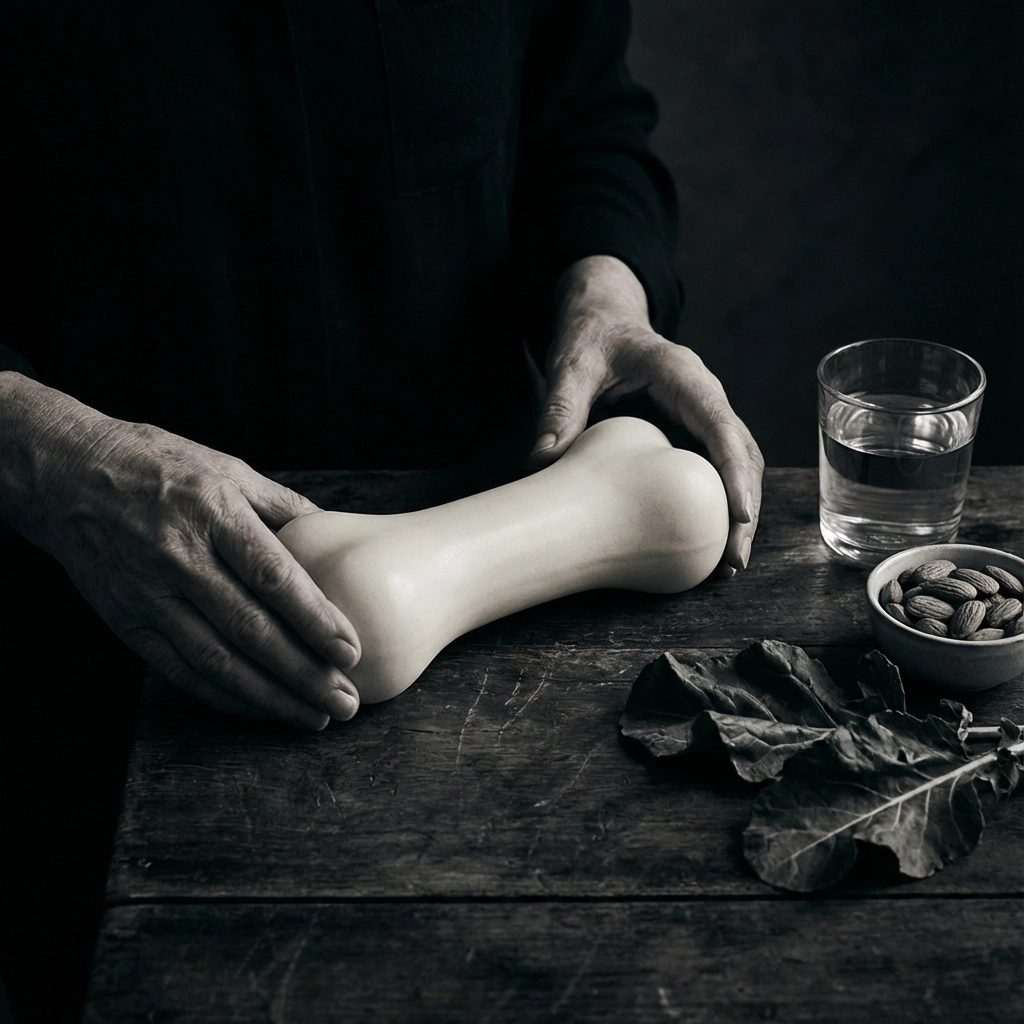
After age 50, women face a stark reality: bone density can decline by up to 20% during the menopause transition alone. This dramatic shift places nearly half of all women over 50 at risk for osteoporosis-related fractures, with 75% of all hip fractures occurring in women. For Austin women navigating this critical life stage, understanding bone health isn’t optional: it’s essential for maintaining independence, strength, and quality of life well into your golden years.
The connection between menopause and bone loss is both immediate and profound. As estrogen levels plummet, the delicate balance between bone breakdown and bone formation tilts dramatically in favor of destruction. Without intervention, this process accelerates rapidly, creating a narrow window of opportunity to implement protective strategies that can preserve bone strength for decades to come.
The Science Behind Menopausal Bone Loss
Estrogen serves as your bones’ primary protector, regulating the continuous cycle of bone remodeling that occurs throughout your life. Before menopause, this hormone maintains equilibrium between osteoclasts (cells that break down old bone) and osteoblasts (cells that build new bone tissue). When estrogen production declines during perimenopause and menopause, this balance shifts decisively.
Fact: Women can lose 1-2% of bone density annually during the first five years after menopause, compared to just 0.5% per year before menopause begins.
The spine and hips bear the brunt of this bone loss, making these areas particularly vulnerable to compression fractures and breaks. For Austin women juggling demanding careers, family responsibilities, and personal goals, a fracture can derail years of progress and independence in a single moment.
This accelerated bone loss doesn’t occur uniformly across all women. Factors like genetics, body weight, smoking history, alcohol consumption, and physical activity levels all influence how quickly bone density declines. The encouraging news? Each of these factors offers opportunities for intervention and protection.

Resistance Training: Your Bone’s Best Defense
Weight-bearing and resistance exercises provide the mechanical stress that bones need to maintain and build density. Unlike cardiovascular exercise alone, resistance training creates the specific type of loading that stimulates osteoblast activity and promotes bone formation.
Target these high-impact activities 3-4 times per week:
- Progressive weight training with compound movements
- Bodyweight exercises like squats, lunges, and push-ups
- Resistance band work focusing on major muscle groups
- Balance challenges that engage stabilizing muscles
At Invictus Fitness, our specialized programs for women over 50 incorporate bone-loading exercises that specifically target the spine, hips, and wrists: the three most common fracture sites. Our trainers understand that the key isn’t just lifting weights, but creating the right type of mechanical stress through proper form, progressive overload, and movement patterns that translate to real-world activities.
Progressive overload remains crucial for bone health. Your bones adapt to the stress placed upon them, so gradually increasing resistance, repetitions, or complexity ensures continued bone-building benefits. A well-designed program progresses from bodyweight movements to external resistance, always prioritizing safety while challenging your skeletal system.
Research demonstrates that women who engage in regular resistance training can maintain or even increase bone density during menopause, while sedentary women continue losing bone mass at accelerated rates. The difference becomes more pronounced over time, creating a widening gap between active and inactive women as they age.
Nutritional Strategies for Bone Preservation
Nutrition forms the foundation upon which exercise builds stronger bones. Without adequate nutrients, even the most intensive workout regimen cannot optimize bone health. The key nutrients for bone health extend beyond calcium to include vitamin D, magnesium, phosphorus, and protein.
Daily calcium targets should reach 1,200-1,500mg for postmenopausal women, preferably from food sources rather than supplements alone. Dairy products, leafy greens, sardines with bones, almonds, and fortified plant-based milks all provide bioavailable calcium. However, calcium absorption requires adequate vitamin D levels, making this partnership essential.
Vitamin D deficiency affects up to 80% of postmenopausal women, significantly impairing calcium absorption regardless of intake levels. Austin’s abundant sunshine provides opportunities for natural vitamin D synthesis, but factors like sunscreen use, indoor lifestyles, and skin pigmentation can limit production. Blood testing determines individual vitamin D status, with most experts recommending levels between 30-50 ng/mL for optimal bone health.
Magnesium plays an often-overlooked role in bone metabolism, with approximately 60% of the body’s magnesium stored in bones. This mineral activates vitamin D and regulates calcium transport, making it indispensable for bone formation. Target 320mg daily through foods like pumpkin seeds, dark chocolate, avocados, and leafy greens.

Protein requirements increase during menopause to support both bone and muscle health. Aim for 1.2-1.6 grams per kilogram of body weight daily, emphasizing complete proteins that provide all essential amino acids. Collagen supplements may offer additional benefits, as collagen comprises roughly 90% of the organic bone matrix.
The Invictus Advantage for Bone Health
Our Austin-based approach to bone health combines cutting-edge exercise science with personalized nutrition guidance, creating comprehensive programs that address each woman’s unique needs and risk factors. Unlike generic fitness programs, our bone health protocols account for individual factors like current bone density, fracture history, medication interactions, and physical limitations.
Our bone health assessments include:
- Movement screening to identify imbalances and restrictions
- Fall risk evaluation and balance training protocols
- Progressive resistance programming tailored to bone-loading principles
- Nutritional analysis and supplementation recommendations
- Coordination with healthcare providers for comprehensive care
Many of our clients arrive feeling overwhelmed by conflicting information about bone health, unsure which exercises are safe and effective. Our trainers specialize in translating complex bone physiology into practical, enjoyable workouts that fit busy schedules while maximizing bone-building benefits.
Case studies from our Austin clientele demonstrate remarkable outcomes: Women who consistently follow our bone health protocols show measurable improvements in bone density markers, balance scores, and functional strength assessments. More importantly, they report increased confidence in their physical capabilities and reduced fear of falling or fracturing.
The group training environment at Invictus creates accountability and support that individual efforts often lack. Seeing other women in similar life stages achieving their goals provides motivation and proof that bone health improvements are achievable at any age.
Comprehensive Risk Reduction Strategies
Effective osteoporosis prevention extends beyond exercise and nutrition to encompass fall prevention, lifestyle modifications, and medical management when appropriate. The goal isn’t just building stronger bones, but creating an environment where fractures become increasingly unlikely.
Fall prevention strategies require attention to:
- Home safety modifications (removing trip hazards, improving lighting)
- Medication reviews with healthcare providers (some medications increase fall risk)
- Vision and hearing assessments (sensory deficits contribute to falls)
- Balance and proprioception training (specialized exercises that improve body awareness)

Lifestyle factors significantly impact bone health outcomes. Smoking cessation becomes even more critical after menopause, as tobacco use accelerates bone loss and impairs fracture healing. Alcohol consumption should remain moderate (no more than one drink daily), as excessive alcohol interferes with bone formation and increases fall risk.
Sleep quality affects bone metabolism through its influence on growth hormone release and cortisol regulation. Poor sleep patterns disrupt the hormonal environment necessary for bone repair and regeneration. Austin women managing multiple responsibilities often sacrifice sleep, unknowingly undermining their bone health efforts.
For women experiencing significant menopause weight gain, addressing body composition changes becomes part of comprehensive bone health strategy. Excess weight can provide some protection against osteoporosis, but the metabolic changes accompanying weight gain often create inflammatory conditions that impair bone formation.
Medical Interventions and Monitoring
While lifestyle interventions form the foundation of bone health, some women require medical treatments to adequately protect against fractures. Bone density testing (DEXA scans) provides objective measurements of bone strength and fracture risk, guiding treatment decisions.
Consider medical evaluation if you have:
- Family history of osteoporosis or hip fractures
- Previous fractures from minor trauma
- Early menopause (before age 45)
- Extended use of corticosteroids or other bone-affecting medications
- Chronic diseases that impact bone metabolism
Hormone replacement therapy (HRT) remains highly effective for osteoporosis prevention in appropriate candidates, reducing hip fractures by 28% and vertebral fractures by 35% in clinical studies. For women experiencing menopausal symptoms alongside bone concerns, HRT may address multiple issues simultaneously.
Alternative medications like bisphosphonates, selective estrogen receptor modulators (SERMs), and newer treatments provide options for women who cannot or choose not to use hormone therapy. The key is partnering with healthcare providers who understand the nuances of menopausal bone health and can individualize treatment approaches.
Austin Resources for Bone Health
Austin’s healthcare community offers numerous resources for women prioritizing bone health during menopause. Local endocrinologists specializing in osteoporosis provide advanced diagnostic testing and treatment options, while registered dietitians can fine-tune nutritional strategies for optimal bone support.
Take advantage of Austin’s outdoor opportunities for natural vitamin D synthesis and weight-bearing activities. The city’s extensive trail systems, parks, and recreational facilities provide environments that make bone-healthy exercise enjoyable rather than burdensome.
Regular monitoring through bone density scans, blood tests for nutritional markers, and functional assessments ensures that your bone health strategy remains effective and appropriate as you age. The investment in comprehensive bone health during your 50s and 60s pays dividends in maintained independence and reduced fracture risk throughout your later decades.
Your bones adapt continuously throughout life, responding to the stresses and nutrients you provide. By implementing evidence-based strategies now, you can significantly influence your skeletal health trajectory, maintaining strength and resilience that supports an active, independent lifestyle for years to come.
Ready to Transform Your Menopause Experience?
The difference between struggling through menopause and thriving through it often comes down to having the right support system. Generic fitness advice fails because it doesn’t account for your reality: demanding career, family responsibilities, and changing body.
At Invictus Fitness, we specialize in creating personalized solutions for Austin’s high-performing professionals navigating menopause. Our concierge approach means you get expert guidance that adapts to your life, not the other way around.
Your body is changing, but your goals don’t have to shrink. With the right strategy, support, and accountability, menopause can be a time of renewed energy, strength, and confidence.
The question isn’t whether you can successfully manage menopause weight gain: it’s whether you’re ready to invest in the personalized approach that makes it possible.
Want a check on fitness? Try our Fitness Audit.